
Compost

You are here:

Composting / Vermicomposting

What is compost

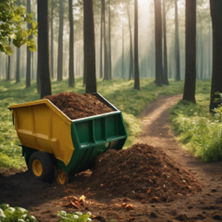
The biological breakdown of organic debris that typically contains different polymeric organic components like cellulose and lignin is known as composting. The process is dynamic and involves the enzymatic breakdown of these polymers into sugars and soluble organic carbon that bacteria can use (Gou, Wang, Zhang, Lou, & Gao, 2017; Jurado et al., 2015). Microorganisms carry out the composting process by nature, and soil detritivores may help with it as well.
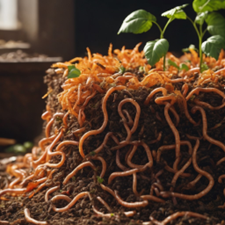
Vermicomposting is a type of compost/ manure prepared with the use of earthworms. Vermicompost contains saturated form of several plant nutrients and helps in improving the physical properties and nutrient contents of soil. Vermicompost contains water-soluble nutrients and is an excellent, nutrient-rich organic fertilizer and soil conditioner. Vermicompost is also rich in beneficial microorganisms. These properties of vermicompost help in improving the soil quality and boosting crop productivity. Moreover, the use of vermicompost does not cause any harm to the soil as in the case of synthetic fertilizers. Compost is a nutrient-rich, soil-like material that is created by the natural decomposition of organic matter such as: Food scraps (like fruit and vegetable peels), Yard waste (leaves, grass clippings, small branches) Paper and cardboard (uncoated and shredded), Coffee grounds and eggshells. It usually involves microorganisms (bacteria, fungi) and sometimes larger decomposers (worms, insects) breaking down organic material in the presence of oxygen (aerobic decomposition). This process transforms waste into a dark, crumbly substance that looks and smells like rich soil (zschaeffer).

Why Compost? Key Benefits


Benefits

Explanation

Improves Soil Fertility

Compost provides a slow-release source of essential nutrients (nitrogen, phosphorus, potassium), enhancing soil structure and fertility.

Reduces Food Waste

Diverts organic waste from landfills, reducing greenhouse gas emissions and creating a sustainable waste management cycle.

Conserves Water

Increases the soil’s ability to retain moisture, reducing irrigation needs and preventing erosion.

Reduces Soil Erosion

Organic matter in compost binds soil, increases infiltration, and slows water runoff.

Decreases Reliance on Synthetic Fertilizers

Compost is a natural, slow-release fertilizer, promoting long-term soil health.

Supports Local Communities

Provides affordable compost for gardens and farms, and can lower municipal waste management costs.

(Eckhaus)

Read more..

Composting Training Module